The benefits of matcha: what the science really says
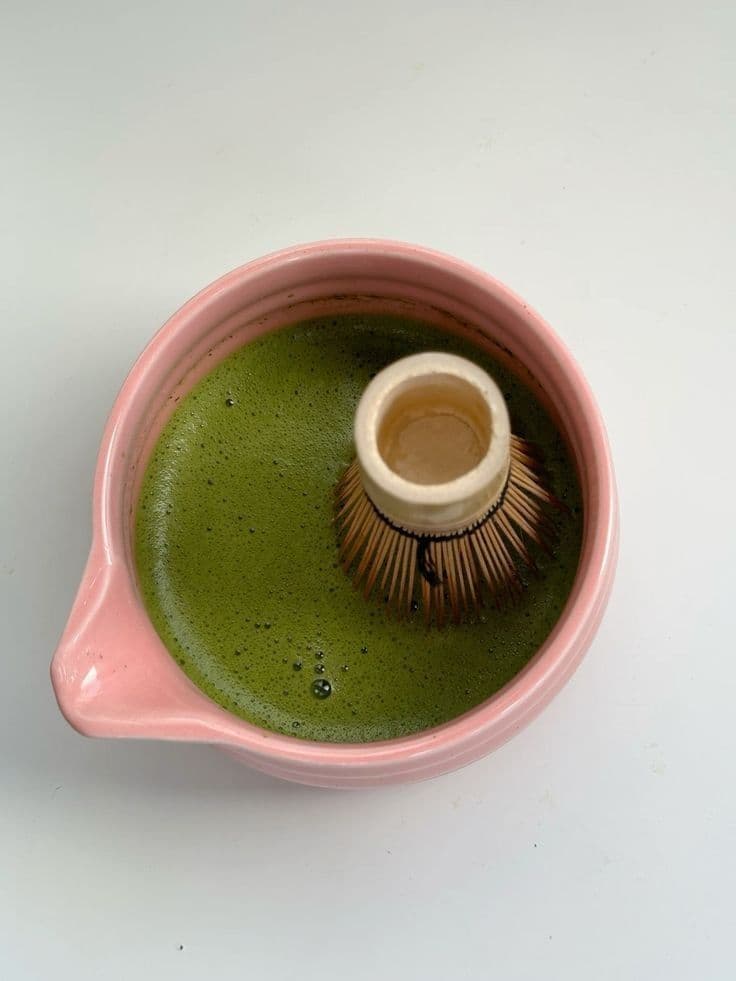
Matcha is everywhere, but there's a world of difference between "miracle detox" promises and reality. Here's what we really know about its benefits, without exaggeration, and how to get the best out of it.
Steady energy, without coffee's spike and crash
What sets matcha apart is that you consume the whole leaf ground into powder, not just an infusion. So you take in all of its compounds, including caffeine, but paired with a rare amino acid: L-theanine.
L-theanine modulates the effect of caffeine. The result: instead of the jittery spike and crash typical of coffee, matcha releases a more gradual, longer-lasting energy. Many describe a state of "calm focus", alert yet relaxed.
Focus and mental clarity
Several studies on L-theanine combined with caffeine suggest improvements in attention and reaction time, with less feeling of stress than caffeine alone. That's precisely the duo found naturally in a cup of matcha.
It helps explain why matcha was historically the drink of monks, who used it to stay focused and serene through long hours of meditation.
A concentrate of antioxidants
Matcha is rich in catechins, a family of antioxidants that includes EGCG. Because you drink the whole leaf rather than a simple infusion, the amount you take in is significantly higher than with regular green tea.
Antioxidants help the body fight oxidative stress. A word of caution, though: no single food works miracles on its own. Matcha is an excellent daily habit, not a medicine.
How to really make the most of it
To preserve its compounds, one thing matters more than anything else: never use boiling water. Water that's too hot "burns" the matcha, makes it bitter and degrades some of its qualities.
- •Aim for water at around 70–80 °C (158–176 °F), never boiling.
- •1 to 2 g of powder (a heaped half-teaspoon) per cup.
- •Whisk in a zigzag until you get a fine foam.
- •Morning or early afternoon: matcha's energy lasts a long time.
Quality changes everything
All of the benefits above assume a good-quality matcha: bright green, finely ground and ideally ceremonial grade. A dull, yellowed or low-grade matcha will be bitter and far less worthwhile, both in taste and in compounds.
That's the Best Matcha Ever approach: an organic ceremonial matcha, grade 6A, stone-ground, designed to be mellow and naturally sweet, even on its own.
Frequently asked questions
Does matcha contain more caffeine than coffee?+
Generally, a cup of matcha contains less caffeine than an espresso, but its effect lasts longer thanks to L-theanine, which smooths out the release of energy.
Can you drink matcha every day?+
Yes, one to two cups a day fit very well into a routine. As with any source of caffeine, it's best avoided late in the evening.
Does matcha help with focus?+
In several studies, the natural combination of caffeine and L-theanine is associated with better attention and less jitteriness than caffeine alone.