Organic matcha: how to recognise a truly good matcha
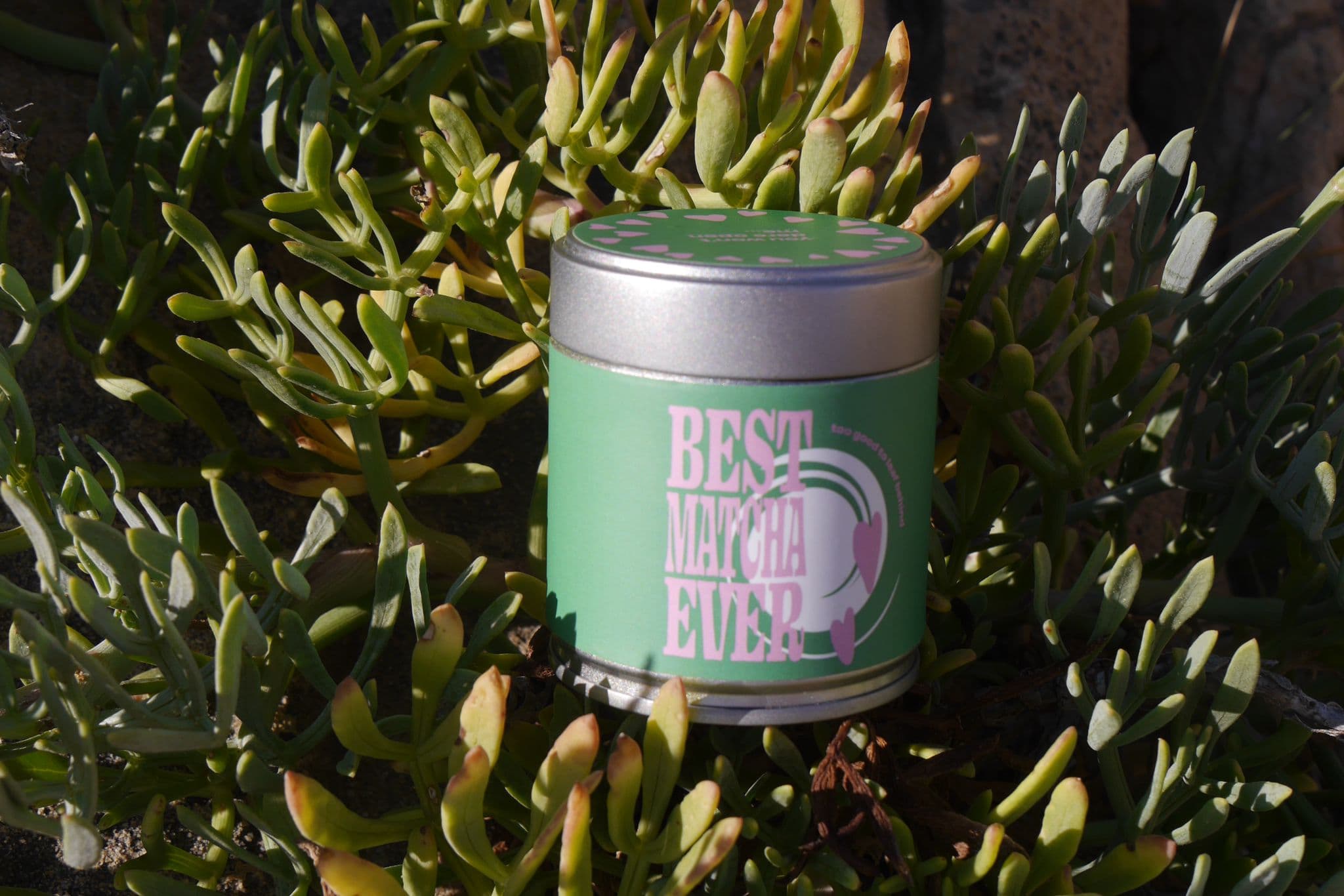
Not all matchas are created equal, and the gap in quality is huge. Here are the simple, reliable pointers for recognising a good matcha, without relying on the packaging alone.
1. Colour: the first signal
A good matcha is a vivid, almost electric green. This colour comes from leaves grown in the shade before harvest, which concentrates the chlorophyll.
By contrast, a dull, yellowish or khaki matcha points to mediocre quality, older leaves or poor storage. It will taste bitter.
2. Grade: ceremonial or culinary
There are two main grades. Ceremonial grade is the finest, made from young leaves: it's mellow and creamy, and you drink it on its own or as a latte. Culinary grade, stronger and more bitter, is made for baking and smoothies.
For an everyday drink, go for ceremonial grade. Some producers refine this further with a grade rating (6A, for example) that indicates a superior selection.
3. How finely it's ground
Real matcha is stone-ground, very finely, with a texture reminiscent of talc. This fineness is what gives you a lovely foam and a drink without any gritty sediment. A powder that feels coarse to the touch is a bad sign.
4. Origin and transparency
Matcha is grown in several Asian countries. What matters most isn't waving a flag but transparency: a serious brand is clear about where its powder comes from and how it's produced.
Be wary of vague origins or unverifiable claims. At Best Matcha Ever, we choose an organic matcha, shade-grown and stone-ground, and we stand by it: quality is judged in the cup, not on a label.
5. Organic certification
The term "organic" is regulated under European law: it guarantees cultivation without synthetic pesticides or chemical fertilisers. Since you consume the whole leaf, it's a criterion that matters especially for matcha. Check for the wording and the official organic logo.
6. Price: neither too high nor too low
A good ceremonial matcha generally costs between €0.80 and €1.30 per gram. Below that, the quality is rarely there. Above it, you're often mostly paying for a brand image.
Our 30 g matcha, usually €30 (€1 per gram), sits right in that quality range, without the mark-up of luxury brands. It's currently €20, as a limited offer.
Frequently asked questions
What's the difference between ceremonial and culinary matcha?+
Ceremonial matcha, finer and mellower, is drunk on its own or as a latte. Culinary matcha, more bitter, is intended for cooking and baking.
Is an expensive matcha necessarily better?+
No. Beyond roughly €1.30/g, you're mostly paying for the brand image. Colour, fineness and grade are better indicators than price.
How should I store my matcha?+
Away from air, light and moisture, in an airtight container. Once opened, ideally use it within a few weeks to preserve its colour and aroma.