Matcha or coffee: which one to choose in the morning?
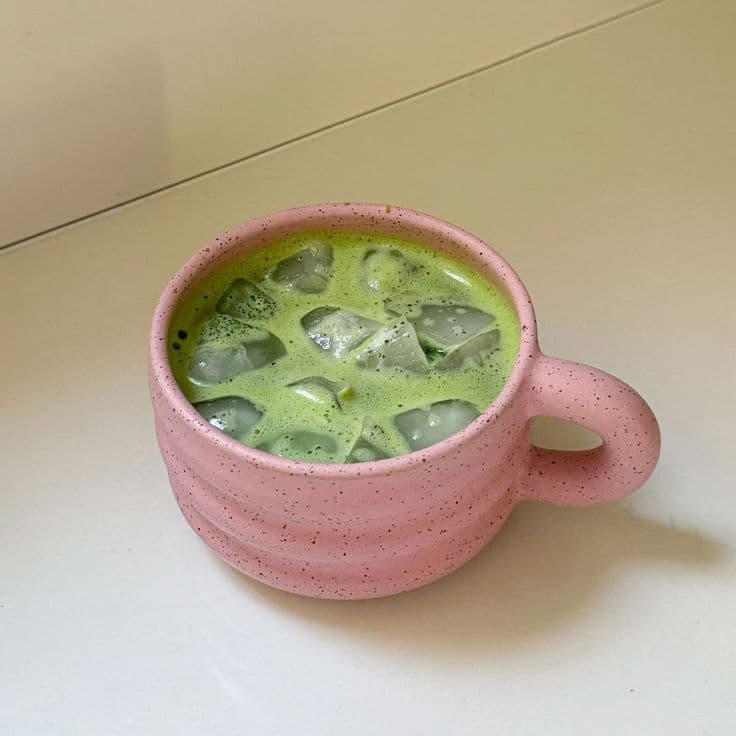
Matcha or coffee in the morning? The question comes up all the time, and the honest answer isn't "matcha wins". Both have their place. Here's what you need to choose with confidence, depending on your energy, your sensitivity and your morning ritual.
Energy: two very different curves
Coffee delivers a fast, concentrated hit of caffeine. The effect rises quickly, which explains that famous morning jolt, but it often drops just as fast, sometimes with a slump and a craving for a second cup.
Matcha also contains caffeine, usually a little less per cup, but paired with an amino acid called L-theanine. This natural duo spreads out the release of energy: less of a spike, less of a crash, and a calmer sense of alertness that lasts.
How each one feels
Many people describe coffee as stimulating but sometimes jittery: a racing heart, restlessness, even a touch of stress when the dose is strong or the stomach is empty.
Several studies on the combination of caffeine and L-theanine suggest better attention with less jitteriness than caffeine alone. That's exactly what people who find coffee too harsh are looking for. Nothing miraculous, though: matcha is still a caffeinated drink, best avoided late in the evening.
Taste and ritual
Coffee plays on bitterness and roasted notes, an intense and comforting profile. Ceremonial matcha, on the other hand, is fresh and vegetal, mellow, almost creamy, with a naturally sweet touch when the powder is good quality.
The ritual is different too. Coffee is often a quick affair. Matcha asks for a small gesture, sifting and whisking in a zigzag, which for many becomes a soothing pause, a gentle way to ease into the day.
So, which one should you choose?
- •You like a sharp, quick wake-up and coffee doesn't make you jittery: keep enjoying it.
- •You want steadier energy without the mid-morning slump: matcha is made for you.
- •Coffee gives you palpitations or anxiety: gentler matcha is well worth a try.
- •There's no need to pick a side: plenty of people alternate, coffee some mornings, matcha on others.
Getting started with matcha
If you'd like to try matcha instead of coffee, one thing makes all the difference: the quality of the powder. A dull, low-grade matcha will taste bitter and disappointing, and you won't get the mellowness or the long-lasting energy you were hoping for.
To get off to a good start, our guide to spotting a good matcha gives you all the pointers, and if you're unsure how to prepare it, our matcha latte recipe walks you through it step by step.
Frequently asked questions
Does matcha wake you up as much as coffee?+
Matcha often contains a little less caffeine per cup, but its effect lasts longer thanks to L-theanine. You feel less of coffee's spike, and more of a steady energy through the morning.
Can matcha completely replace coffee?+
Yes, many people make the switch, especially to avoid the jitters or the mid-morning slump. Nothing stops you from alternating either, depending on the day and your mood.
Does matcha stain teeth less than coffee?+
Coffee, which is highly pigmented, is known to discolour enamel over time. Matcha is a green tea and far less prone to this, but it remains a question of habits and oral hygiene rather than a guarantee.